








Personalize Your Traditional Anniversary Gifts Without Losing the Charm

Personalize Your Traditional Anniversary Gifts Without Losing the Charm
Your anniversary is a quiet festival of shared history—celebrations that honor time, trust, and tenderness. Traditional gifts carry a sense of lineage, a nod to the past that makes the present feel rooted and meaningful. But personalization is where a gift becomes a memory in the making. The challenge—and the joy—is how to add a personal twist without erasing the gift’s classic character. The right touch can deepen the meaning and keep the charm intact. In this guide, you’ll find thoughtful, practical ways to personalize traditional anniversary gifts, from the first year’s paper to the more mature milestones of silver and gold, all while preserving the timeless appeal that makes these gifts so special.
A Quick Word About Traditional Gift Lists
Traditional anniversary gift lists offer a simple, elegant framework: each year has a material or theme that couples are encouraged to celebrate. The lists vary by culture and by whether you’re looking at “traditional” or “modern” pairings, but the spirit is the same: honor the passage of time with a meaningful choice that reflects the arc of a marriage. Common themes start with something lightweight and personal—paper for the first year—then move toward textiles, wood, metal, porcelain, crystal, and beyond as the years accumulate. The exact items aren’t as important as the feeling they evoke: a tangible reminder of a shared story. When you personalize within that framework, you honor both the tradition and your unique bond.
Think of the tradition as a canvas, not a cage—the design and ink you add should amplify, not obscure, the core message of the gift.
Why Personalization Matters (And How It Elevates Charm)
Personalization is more than a name on a tag. It’s a signal that you’ve invested thought, time, and care into what you give. It can:
- Turn an ordinary item into a keepsake with emotional resonance.
- Echo shared memories, inside jokes, or your partner’s tastes, making the gift uniquely theirs.
- Enhance the aesthetic by aligning the item’s design with your partner’s style—without losing the original character.
- Extend the gift’s meaning beyond a one-off moment, inviting daily moments of delight as they use it.
The key is balance. Personalization should feel natural, not overembellished. It should complement the artifact’s material and tone—whether playful, refined, rustic, or luxe—so the charm remains intact rather than getting buried under novelty.
How to Personalize Without Losing the Charm: A Practical Framework
Use these guiding principles to shape personalization choices that respect tradition while reflecting your relationship:
- Honor the material. If it’s a paper gift, let the personalization live in words, print, or design; if leather, in subtle embossing or a custom inscription; if wood, in precise engraving; and so on. The material’s natural texture should guide the form of personalization.
- Make personalization purposeful. Ask, “What moment, memory, or value does this piece symbolize?” Then build the detail around that answer.
- Keep it tasteful and timeless. Avoid trends that won’t age well; aim for elegance that endures and ages with grace.
- Preserve usability. A personalized gift should still be something your partner can use every day, not just admire on a shelf.
- Pair with a thoughtful experience. The gift is one piece of the celebration; a personalized note, a shared dinner, or a planned day together can deepen the impact.
With these principles in mind, you’ll find it easier to weave personalization into each year’s traditional motif—keeping the charm while adding your stamp.
Ideas for Personalizing Traditional Gifts, Year by Year
Below are practical, tasteful personalization ideas organized around some of the most common traditional gifts. You’ll find options that are elegant, affordable, and meaningful—designed to preserve charm while adding a personal layer.
1) Paper: The Gift That Tells Your Story
Paper gifts celebrate beginnings—letters, notes, plans, and plans-in-progress. Personalization can be a narrative, a design, or a keepsake that documents your journey.
- Custom love letter book: Compile a series of short letters or messages you’ve exchanged, printed with a high-quality font, bound in a luxe leather or linen cover, and embossed with your initials and wedding date.
- Personalized map or itinerary print: A map or city print showing where you met, had your first date, or honeymooned. Add a caption or a short memory line beneath the map.
- Photo anthology in a letterpress book: Assemble a small collection of photos that tell your story, with hand-lettered captions and a stamped date on the cover.
- Custom stationery set: Monogrammed or initialed note cards with a custom color palette—use your couple’s favorite hues to set the tone for future letters.
- Printed love story poster: A custom, illustrated timeline of key milestones in your relationship, framed in a minimalist frame for wall display.
Tip: Keep typography legible and the design restrained. Paper gifts shine when they tell a story clearly and beautifully, not when they shout with too many fonts or busy imagery.
2) Cotton: Comfort with a Personal Twist
Cotton is about softness, daily comfort, and reliability. Personalization should enhance that sense of home and ease.
- Monogrammed robe or bathwear: A plush robe with an embroidered monogram, perhaps with a tiny additional motif that’s meaningful to both of you (a favorite flower, a pet’s silhouette, a small symbol).
- Customized cotton throw or blanket: A throw blanket with a stitched date, a short line of a rhyme, or a “story” in the form of a line of text along the edge.
- Personalized tote or weekender bag: Initials, a favorite quote, or a small graphic that reflects your shared hobbies (surf, hiking, music, books).
- Printed cotton scarf with a motif: Subtle embroidery or a discreet phrase along the hem that’s meaningful to you both.
Tip: Subtlety wins in textiles. A discreet monogram or a small motif keeps the piece refined rather than flashy.
3) Leather: Everyday Luxury with a Personal Tag
Leather feels timeless and tactile. Personalization should emphasize durability and intention.
- Engraved leather wallet or cardholder: A short inscription—names and a date—engraved inside or on a discreet corner. For a more modern look, a laser-engraved geometric motif that nods to your shared style works well.
- Monogrammed leather journal: The journal’s cover can feature initials, a favorite quote, or a short vow. Inside pages, add a photo corner or a printed first-page message.
- Leather key fob with a personal emblem: A small crest or symbol that represents a shared memory, combined with initials.
- Leather care kit with a custom label: A personalized label on a high-quality leather care set that reminds you both to nurture what you value.
Tip: Leather ages beautifully. Ensure the personalization is precise and clean—avoid overly large or decorative fonts that can distract from the leather’s natural patina.
4) Linen or Silk: Texture That Feels Made for You
Linen and silk bring a refined sensibility—quiet luxury and tactile delight. Personalization should highlight texture, quality, and heritage.
- Embroidered linen napkins with initials or a short phrase: A refined way to integrate a personal touch into everyday dining.
- Custom silk scarf with a discreet motif: A border motif that references a shared memory, or a small inscription in an elegant script along the edge.
- Monogrammed linen table runner: A simple, timeless addition that personalizes special dinners without shouting.
- Personalized throw pillow in linen: A soft cushion with a short, meaningful line or date embroidered along the seam.
Tip: For textiles, restraint and quality workmanship matter. Choose subtle embroidery or a small monogram in a color that complements the fabric’s tone.
5) Wood: Longevity Meets Personal Detail
Wood gifts resonate with warmth and durability. Personalization on wood should feel artisanal and enduring.
- Engraved keepsake box: Names, wedding date, and a short message etched inside the lid. Include a small slot for mementos from anniversaries to come.
- Photo panel or wood print: A favorite photo printed on wood with a simple caption; the natural grain acts as a quiet backdrop for the memory.
- Engraved cutting board: Names and date, plus a short recipe or memory engraved along the edge, so it’s both decorative and practical in the kitchen.
- Wooden music box or keepsake chest: A melody or a phrase engraved on the lid; add a small photo compartment for a personal touch.
Tip: Wood’s charm lies in craftsmanship. Opt for high-quality wood, clean lines, and a precise engraving that won’t wear off with time.
6) Metal: Strength with a Message
Metal gifts—whether iron, copper, or brass—evoke resilience and timeless appeal. Personalization should feel sturdy and sincere.
- Custom metal wall art or decorative plaque: A short anniversary message or a pair of initials integrated into a minimalist motif.
- Copper mugs or steel tumblers with etched names: Subtle personalization that turns a practical object into a daily reminder of your bond.
- Engraved keepsake box or lid: A clean inscription that captures a vow, a date, or a memory in a concise script.
- Personalized metal keychain: A simple yet stylish gift that travels wherever you go together, engraved with a date or symbol.
Tip: Opt for clean typography and a modest engraving depth to keep the piece readable and enduring as it ages.
7) Glass, Crystal, and China: Delicate Yet Personal
Gifts in glass, crystal, or fine china celebrate clarity and refinement. Personalization here should be elegant and lightly engraved or painted.
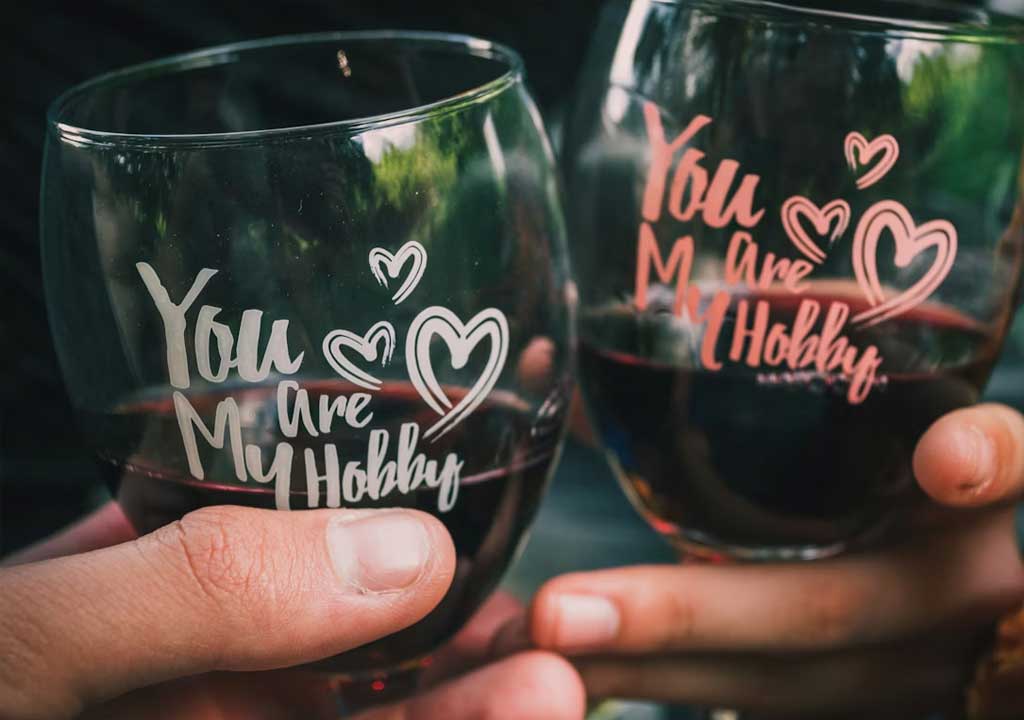
- Monogrammed crystal wine glasses or champagne flutes: A classic, elevated touch that remains usable and beautiful at celebrations.
- Hand-painted porcelain mug or plate with a small motif: A delicate addition that carries a memory when used daily.
- Engraved or hand-painted keepsake vase: Include a short date or memory along the base or a discreet edge.
- Personalized tea set or dishware: A simple inscription or a minimal graphic that ties to your shared hobbies.
Tip: With glass and porcelain, less is more. Subtle initials, a short date, or a single motif is often more timeless than a complex design.
Putting It All Together: A Personalization Plan
To turn these ideas into a seamless, elegant celebration, craft a plan that begins with awareness of your partner’s style, your budget, and the gift’s practical use. Here’s a simple six-step approach you can follow for any anniversary year:
- Identify the traditional gift for the year and the core material. Note what the item typically represents (e.g., paper as a symbol of beginning, wood as longevity).
- Assess your partner’s taste. Do they lean minimalist, romantic, rustic, or modern? What colors, textures, and motifs do they love?
- Choose a personalization approach that aligns with the material. For example, embossing for leather, embroidery for textiles, engraving for wood or metal, and subtle etching for glass or china.
- Keep personalization focused. One meaningful inscription, one well-placed motif, or a short, impactful message is often more powerful than multiple additions.
- Anticipate use and display. Will this be a daily accessory, an heirloom on a shelf, or a piece that’s enjoyed at celebrations?
- Pair with a thoughtful moment. A handwritten letter, a celebratory dinner, or a shared experience adds another layer of memory to the gift.
With a plan like this, you can personalize while preserving the tradition’s soul. The goal is synergy: the gift’s material tells the story of your time together, and your personal touch adds the personal, emotive chapter that makes that story live in daily life.
Design Tips to Protect the Charm While Personalizing
When you blend personalization with a traditional gift, keep these design tips in mind to preserve its charm:
- Preserve the original silhouette. If the gift is a classic item (like a finely cut glass or a well-made leather wallet), avoid drastic changes to shape or proportion.
- Use neutral color palettes. Personalization looks timeless when it relies on palette choices that won’t clash with the gift’s natural look.
- Choose high-quality methods. Subtle engraving, laser engraving, or careful embroidery tend to wear well and age gracefully over time.
- Avoid clutter. One well-placed element—an initials monogram, a memorable date, or a short line—often outshines multiple smaller accents.
- Match the personalization to the gift’s lifecycle. A gift that’s designed to be used daily will benefit from practical personalization (like a monogram), while heirloom pieces can carry a longer inscription.
Remember: charm is about balance. The personalization should elevate the gift without overpowering its inherent beauty or function.
Story Sparks: Real-Life Scenarios You Can Adapt
Sometimes a story helps you see how these ideas translate into real life decisions. Here are a few vignette-style examples you can adapt to your own relationship:
Scenario A: You’re gifting a first-year paper keepsake. You assemble a small, beautifully printed booklet that tells your love story in ten moments—your first date, the day you got engaged, a shared travel memory. The booklet’s cover uses elegant typography and a gold foil-stamped date. Inside, small captions accompany vintage photos tucked between the pages. It’s personal, tactile, and something to revisit on anniversaries.
Scenario B: Your spouse loves cozy nights in. For a cotton-themed anniversary, you gift a plush robe embroidered with their initials and a short line that recalls a favorite movie night. To complement it, you add a tea-towel or napkin set with the same initials, tying together daily rituals with a consistent design language.
Scenario C: A wood anniversary calls for a keepsake with a story. You give a carved wooden box with a two-word motto and your wedding date. Inside, you place small notes you’ve written over the years—thank-you messages, inside jokes, and promises—so the box becomes a living archive of your relationship.
Scenario D: For a silver or crystal milestone, you choose a refined, understated piece—etched crystal flutes with your initials and the anniversary date. The engraving is subtle, elegantly integrated into the glass’ curve, so the piece remains a versatile table centerpiece or a daily-use gift for toast moments.
These scenarios show how personalization can feel intimate rather than ceremonial. The key is to reflect a shared life—your humor, your quiet rituals, your values—within the tradition’s framework.
Common Pitfalls to Avoid (And How to Dodge Them)
Even well-intentioned personalization can stumble. Here are common missteps and how to sidestep them:
- Over-embellishment. Too many design elements can make the gift feel busy or gimmicky. Pick one meaningful touch and let it speak for itself.
- Inconsistent style. If the base gift is minimalist, heavy engravings or bright colors can clash. Align your personalization with the item’s natural design language.
- Impractical or unreadable inscriptions. If you’re engraving, choose fonts that remain legible as the piece ages. If you’re handwriting a message, keep it concise and to the point.
- Delaying the plan. Personalization often requires lead time. Start early to avoid rushed decisions that compromise quality.
- Neglecting sentiment for size. A large display piece loses charm if it doesn’t connect emotionally. Prioritize sentiment over scale.
By anticipating these pitfalls, you’ll maintain the gift’s elegance while adding a personal layer that truly resonates.
Where to Start: Quick, Actionable Steps
If you’re ready to start personalizing, here’s a simple four-step action plan you can implement this week:
- Choose a year and a material you want to honor. Start with the traditional motif that feels most meaningful to your partner.
- List a few personal touches that would fit the material without overwhelming it—for example, a date, initials, a short phrase, or a symbol with meaning to both of you.
- Visit a reputable shop or designer who specializes in the material’s personalization method (engraving, embroidery, monogramming, etc.). Share your story and the exact phrasing you want.
- Wrap thoughtfully and include a short note explaining the personalization choice. A purchaser’s note can be as meaningful as the gift itself.
Within a week or two, you’ll have a personalized gift that respects tradition while telling your unique story. The payoff is immediate—the unwrapping moment becomes a shared memory and the gift earns a place in your shared life’s archive.
Closing Thoughts: The Charm Endures
Traditions are anchors. They connect us to families, communities, and histories larger than our own, giving us a sense of continuity in a rapidly changing world. Personalization, when done with care, breathes fresh life into those anchors. It adds color to the tapestry without muting the thread that holds it together. The most successful personalized traditional gifts feel inevitable in hindsight—the moment you realize the gift was always moving toward this exact moment of meaning.
So, as you plan the next anniversary, start with the material that tradition offers and let your collaboration with your partner shape the final piece. Let the gift celebrate both the long arc of your relationship and the intimate, everyday moments you share. In the space between timeless ritual and personal memory, you’ll find gifts that are not only charming at first glance but cherished long after the occasion passes.
Final Checklist for Personalizing Your Traditional Anniversary Gift
- Confirm the year’s traditional material and its symbolic meaning.
- Identify your partner’s style and the gift’s practical use.
- Select a personalization method appropriate for the material (engraving, embroidery, monogram, etc.).
- Keep the personalization subtle, purposeful, and legible.
- Pair the gift with a thoughtful moment or experience to create a memory-rich celebration.
With these steps, you can personalize traditional anniversary gifts without losing their inherent charm. The result is a gift that honors the past, celebrates the present, and invites a future filled with shared, meaningful moments.
Where to Find Help and Inspiration
Ready to start but not sure where to begin? Consider these sources for inspiration and practical help:
- High-quality artisans and specialty shops that focus on personalized gifts aligned with specific materials.
- Gift guides from reputable design blogs or home décor magazines that emphasize timeless design and craftsmanship.
- Local makers markets or craft fairs, where you can discuss personalization options in person and see examples firsthand.
- Custom printing or engraving services with portfolios you can review to gauge style and quality.
Trust your instincts and your shared history. Personalization is most powerful when it feels like a natural extension of your relationship, not a forced flourish. When you strike that balance, you preserve the tradition’s charm while creating something beautifully personal—the perfect celebration of another year together.
LIKED THIS ARTICLE? SHARE IT: